

 See My Latest Article on HelloNation
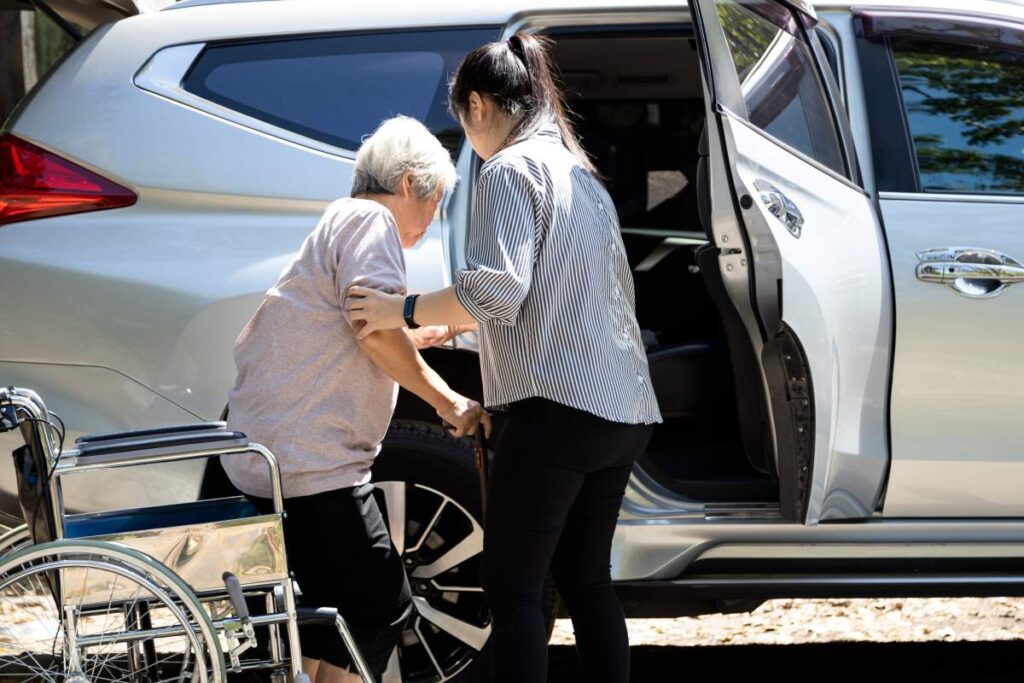
Family caregiving often begins gradually. A relative may need help with meals, bathing, medication reminders, transportation, household tasks, or supervision after an illness or injury. Over time, those responsibilities can become a daily workload that affects sleep, employment, finances, and personal health.
In Grayson County, TX, home care can support family caregivers without replacing the family relationship. The purpose is often to share routine responsibilities, provide dependable relief, and help a person remain safely connected to familiar surroundings.
What does home care provide for family caregivers?
Home care can assist with everyday activities that do not necessarily require medical treatment. Depending on a person’s needs and the type of service available, support may include:
- Help with bathing, dressing, grooming, and toileting
- Meal preparation and assistance with eating
- Light housekeeping and laundry
- Companionship and conversation
- Walking support and fall-prevention reminders
- Transportation or accompaniment for errands and appointments
- Respite periods so a family caregiver can rest or manage other responsibilities
- Observation and reporting of changes in routine, mood, appetite, or mobility
The exact scope of assistance varies. Some services focus mainly on personal care, while others are designed around household support and companionship. Skilled medical care is a separate category and may require licensed clinical personnel, physician orders, or coordination through a health plan.
Can home care replace a family caregiver?
Usually, home care supplements family involvement rather than replacing it. Relatives may still make care decisions, communicate with medical providers, manage finances, or provide emotional support. Assistance at home can make those responsibilities more manageable by reducing the amount of hands-on care one person must provide.
For example, an adult child may continue handling medication organization and medical appointments while receiving help with bathing, meals, and household routines. A spouse may remain closely involved but have time to sleep, shop for groceries, attend work, or leave the home for several hours.
This division of responsibilities can reduce the pressure to be available every minute of the day. It also clarifies which tasks require family involvement and which can be safely delegated.
How does respite care help prevent caregiver exhaustion?
Respite care provides planned relief from caregiving duties. Even a short, predictable break can help a family caregiver recover energy, attend appointments, maintain employment, or spend time with other household members.
Caregiver exhaustion is not simply tiredness. It may involve persistent irritability, poor sleep, difficulty concentrating, loss of interest in normal activities, or feeling unable to continue. These signs can affect judgment and increase the likelihood of missed medications, falls, arguments, or unsafe transfers.
A workable respite plan may involve:
- A few scheduled hours each week
- Coverage during a family caregiver’s work shift
- Assistance on weekends
- Temporary help after a hospital discharge
- Backup support when the usual caregiver is sick or unavailable
Predictability matters. Occasional emergency relief can be useful, but regularly scheduled support often gives families a stronger sense of stability.
What tasks are most helpful to delegate?
The most useful tasks are usually repetitive, time-consuming, or physically demanding. Families may choose to delegate activities such as shower assistance, changing bedding, preparing simple meals, folding laundry, or supervising a person who should not be left alone.
Delegating these tasks can allow relatives to focus on decisions and relationships rather than managing every routine detail. It may also reduce physical strain. Lifting, transferring, or helping someone walk can cause injuries when performed without proper technique or adequate assistance.
A simple task list can help identify where support is needed. It may divide responsibilities into three groups:
1. Tasks that must remain with family members, such as financial decisions or certain personal choices.
2. Tasks that may be shared, such as meal preparation, errands, or transportation.
3. Tasks that may be delegated, such as light housekeeping, companionship, or routine personal care.
Needs can change after an illness, fall, surgery, or worsening memory problems, so the list should be reviewed periodically.
How can home care support older adults with memory loss?
For someone experiencing memory loss, familiar routines and calm supervision can be reassuring. Home care may help maintain regular meal times, encourage hydration, provide companionship, and reduce long periods of isolation.
A caregiver assisting a person with memory difficulties should receive clear information about routines, communication preferences, wandering risks, mobility limitations, and signs of distress. Consistency is often more helpful than frequent changes in schedule or unfamiliar surroundings.
Home care does not eliminate every safety concern. A person with significant confusion may still need specialized supervision, environmental changes, medical evaluation, or a higher level of care. Families should pay attention to sudden changes in confusion, behavior, balance, or alertness, since these may reflect illness or medication problems rather than ordinary memory decline.
What should families consider in local home settings?
Household conditions affect how care is delivered. In parts of Grayson County, TX, homes may vary from newer subdivisions to older properties, rural residences, and homes with long driveways or multiple levels. These features can affect transportation, emergency access, mobility, and the time needed for routine visits.
Seasonal conditions also matter. Hot weather can increase the risk of dehydration, while storms or power interruptions may affect refrigeration, lighting, communication, and medical equipment. Families should consider whether the person has:
- Safe paths through the home
- Adequate lighting near stairs and bathrooms
- Working smoke and carbon monoxide alarms
- A plan for extreme heat, severe weather, or power loss
- Easy access to frequently used items
- A way to communicate if a caregiver is delayed
Home care can support daily routines, but it cannot correct every structural or emergency-preparedness issue. Some hazards require changes to the home, medical guidance, or emergency planning.
How can family members coordinate care effectively?
Care coordination is easier when information is written down and shared among the people involved. A basic care notebook or secure digital record may include:
- Current medications and dosing instructions
- Medical conditions and allergies
- Emergency contacts
- Preferred foods and daily routines
- Mobility or transfer instructions
- Upcoming appointments
- Recent changes in sleep, appetite, behavior, or falls
Families should decide who communicates with care workers, who handles schedule changes, and who responds if a concern is reported. Without clear roles, relatives may assume someone else has completed an important task.
Regular check-ins can also prevent small problems from becoming major ones. A change in appetite, repeated missed medications, increasing weakness, or new confusion should be documented and shared with the appropriate healthcare professional.
How do families know when additional help is needed?
Additional support may be appropriate when caregiving begins interfering with sleep, employment, physical health, or basic household responsibilities. Other warning signs include repeated falls, unsafe bathing, missed medications, unexplained weight loss, wandering, or a caregiver feeling unable to leave the person alone.
The need for help is not a sign that a family has failed. Caregiving is a demanding responsibility, and sharing routine tasks can protect both the caregiver and the person receiving care. The right level of support may begin with a few hours each week and change as circumstances develop.
Families should also distinguish nonmedical home care from skilled healthcare. New or worsening symptoms, serious injuries, breathing problems, chest pain, sudden confusion, or other urgent concerns require prompt medical attention rather than routine home assistance.