

 See My Latest Article on HelloNation
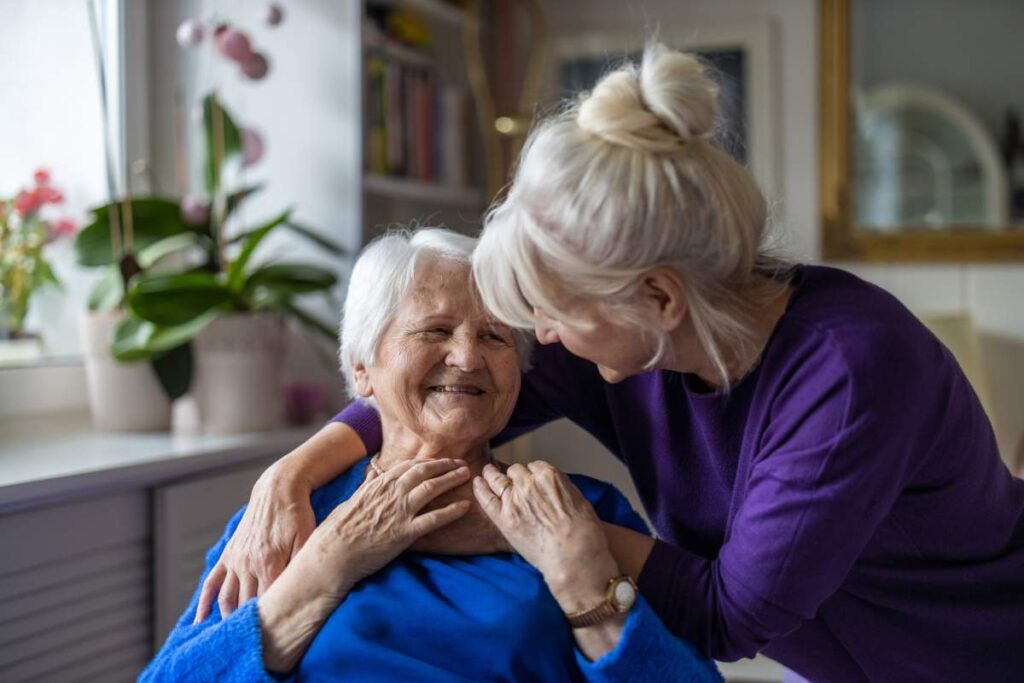
How Can Home Care Help Older Adults Remain Independent?
Home care services provide assistance to seniors right in their own homes, making it easier for many to maintain their daily routines with dignity and autonomy. In Grayson County, TX, where many older adults live in suburban or rural settings, remaining at home can mean staying close to familiar faces, churches, and neighbors.
Home care workers can help with daily activities that might become difficult with age, such as bathing, grooming, and meal preparation. This support enables many local seniors to continue living in their own homes rather than moving into group facilities. Flexibility is a key benefit—help can be adjusted based on each person’s preferences, from a few hours a week to all-day assistance.
What Types of Support Fall Under Home Care?
Home care includes help with many household and personal tasks, but it isn’t limited to medical care. Instead, the focus is largely on supporting safe and comfortable daily living.
Typical tasks that home care workers may assist with include:
- Light housekeeping, such as dusting, laundry, and dishes
- Cooking or help with meal preparation geared toward dietary needs
- Reminders to take medication at the correct times
- Personal care, including help with bathing, dressing, or mobility
- Transportation to and from appointments, shops, or social visits (depending on local transportation options and availability)
- Companionship, such as playing games, conversation, or engaging in hobbies
In the more rural areas of Grayson County, where public transportation may be limited, transportation support or running errands can be particularly valuable.
How Does Home Care Promote Safety and Reduce Fall Risks?
A major goal of home care is helping older adults stay safer in their homes by addressing preventable hazards. This may look different in local residences, from ranch-style houses to farm properties.
Practical safety supports can include:
- Identifying and reducing tripping hazards—such as clutter, loose rugs, or tangled cords
- Assisting with mobility when using stairs, showering, or getting in and out of bed
- Monitoring for early signs of health concerns, such as dizziness or confusion, which might signal a need for medical evaluation
- Ensuring homes stay clean and sanitary, helping to reduce illness from food spoilage or dirty environments
Families in Grayson County often value being able to keep older relatives nearby. Home care can lower the likelihood of accidents, easing worries for both seniors and their loved ones.
Why Do Many Local Seniors Prefer Home Care Over Facility Living?
Preference for aging at home is common in the community, with seniors often wishing to remain close to familiar people, pets, and routines. In Grayson County, TX, homes may be located on spacious lots or quiet residential streets, which can foster a sense of comfort and personal space that may feel lost in a group setting.
Home care can support preferences for:
- Keeping regular routines
- Enjoying control over daily schedules—mealtimes, activities, sleep, and visitors
- Personal choice in meals and hobbies
- Staying connected with neighbors and community groups
It’s a misconception that accepting home care means giving up independence; in reality, having some help available enables many to remain in charge of their lives longer.
Can Home Care Adjust for Changing Needs Over Time?
Yes. Home care offers flexibility that is helpful as needs shift. Some local residents may only need brief check-ins at first—perhaps just a little help after surgery or with seasonal challenges (such as slippery walkways during winter).
As health changes, so can the level of support. Services can expand to include more personal care, meal preparation, or supervision as needed. This adaptability can delay or prevent the need to move away from home simply because of evolving circumstances.
Are There Misconceptions About Home Care for Independence?
One common misunderstanding is that having someone help at home means losing privacy or personal decision-making. In practice, care is tailored to each person, with the aim of supporting—not controlling—daily life.
Other misconceptions include:
- Believing home care is only for those who are very frail—many benefit from support while still quite active
- Thinking only medical needs justify home care—help with household or companionship tasks can make a significant difference
- Assuming home care is financially out of reach—some local and state resources may help offset costs for qualifying residents
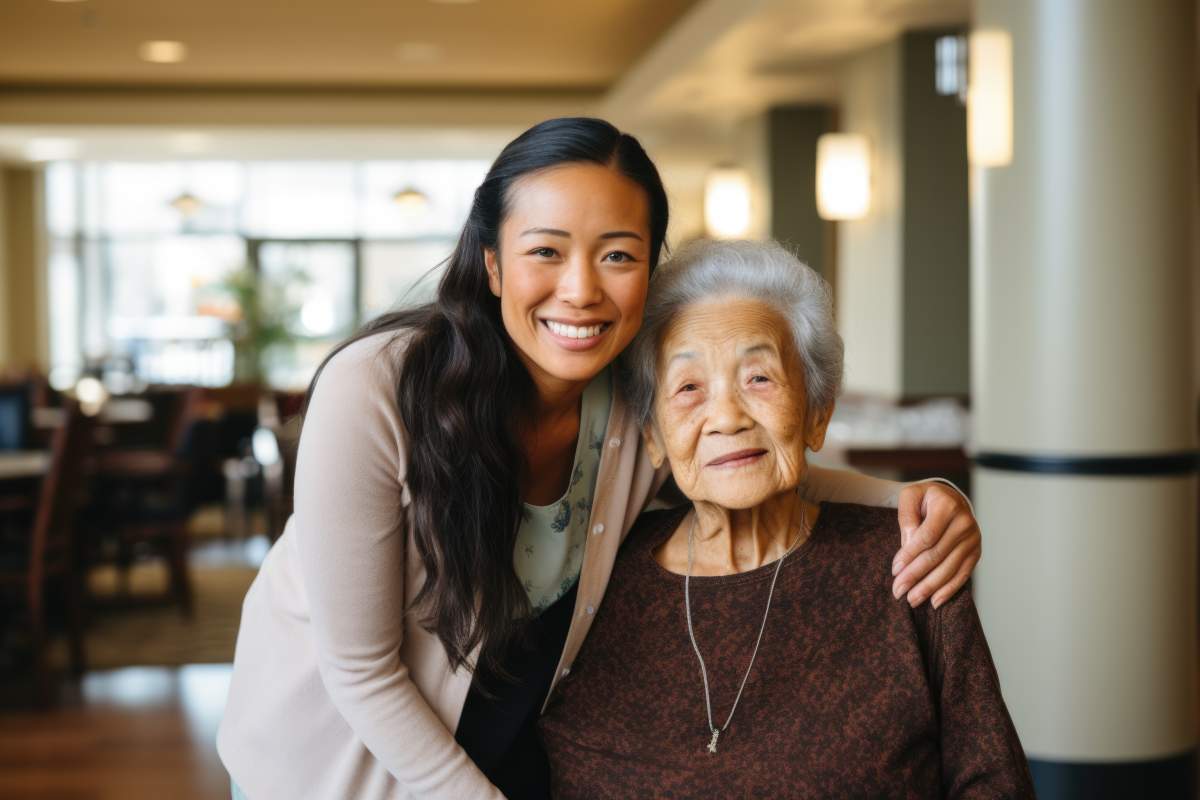
Discussing preferences early—or even arranging a short trial—can relieve concerns and demonstrate how home care supports, rather than undermines, self-reliance.
What Practical Home Features Support Aging in Place in Grayson County, TX?
Successful independence at home is often about blending personal support with practical home adjustments. Local housing patterns—single-family homes, manufactured houses, or small apartments—each have considerations for safety and ease.
Helpful features may include:
- Lever-style door handles (easier for stiff hands)
- Grab bars in bathrooms and near stairs
- Ample lighting, especially in hallways and entryways
- Clear walkways, free from clutter or uneven surfaces
- Accessible entryways with ramps when needed
Simple changes can go a long way in making Grayson County homes more supportive for aging adults, especially when paired with reliable home care assistance.
Who Benefits Most from Home Care in This Area?
Most adults who want to maintain control of their environment and activities can benefit from home care, especially those:
- Living alone and seeking social contact or backup
- Managing multiple medications or chronic conditions
- Recovering after falls, surgeries, or illness
- Dealing with mild memory challenges, but not needing 24-hour medical supervision
- Who wish to avoid winter risks, such as icy steps, or require extra support during hot Texas summers
Families often use home care to provide peace of mind, knowing someone can step in as needed.
How Do Local Family Members Stay Involved?
Family involvement is a central part of supporting independence for older adults in Grayson County. Open communication helps ensure care supports the senior’s wishes. Many local families:
- Work with home care aides to establish routines that reflect individual needs and values
- Coordinate church, community, or neighborhood connections for additional companionship
- Arrange for home safety improvements, sometimes through local nonprofits or volunteer organizations
Staying involved provides both emotional support and practical oversight, helping preserve independence in a way that fits local lifestyles.